Backpacker deals in Australia: the savings that are actually worth it
$1 campervan relocations, free BBQs, fare caps and the other ways backpackers make the money last.
 By Drew, who runs Backpack AusUpdated 19 October 2026
This guide has affiliate links. If you book through them we may earn a commission, at no extra cost to you. More
Where the money really goes
For most backpackers the big three are a bed, getting around and food. A discount code on a tour saves you $20 once. Getting the big three right saves you that every week. So start there.
What backpacking Australia costsGetting around: campervan relocations
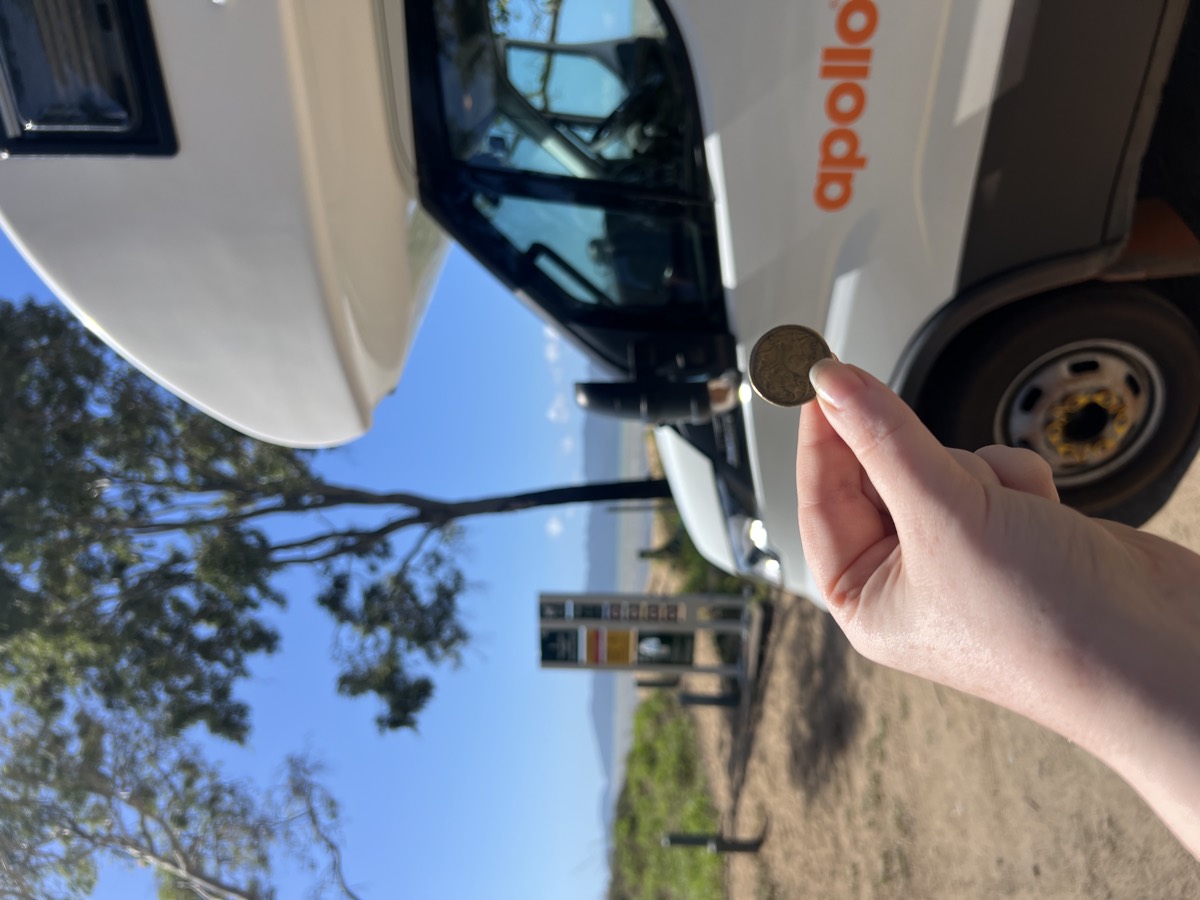
Rental companies need their vans moved between cities, and rather than pay a driver they list them on relocation sites for very little, sometimes $1 a day, often with some fuel included. The catch is a fixed pick-up and drop-off and only a few days to do the trip, so they suit people who can leave at short notice.
Imoova is the best known. Check it every couple of days, because the good routes go fast.
Getting around: share the ride
Someone is nearly always driving your way. Splitting fuel is usually the cheapest way to cover a long distance, and you meet people doing it. Agree the cost and the route before you set off.
Find or offer a ride on the mapGetting around in the cities
- Melbourne: trams in the CBD Free Tram Zone cost nothing.
- Sydney and other cities: public transport has daily and weekly fare caps, so tap on and off every time and let the cap do the work.
- Use a fuel price app before you fill up. Prices can differ a lot between servos in the same town.
A bed for less
- Stay longer in one place. Weekly hostel rates are usually cheaper per night than booking night by night.
- Work for accommodation. Many hostels give a free bed for a few hours of cleaning or reception a day.
- Hostel memberships and loyalty schemes (YHA is the big one) give member rates. Worth it if you will use them a few times.
- Once you have work, a share-house room is usually cheaper than a dorm.
Eating on a budget
- Free public BBQs are everywhere: parks, beaches and foreshores. Bring sausages and bread and you have dinner.
- Supermarkets mark food down near closing time, especially bread, meat and ready meals.
- Backpacker bars often do cheap meal nights. Ask your hostel which night is which.
- Cook in the hostel kitchen and share the shop with your roommates.
Free things that feel like a splurge
- Free walking tours run in the big cities. You tip what you think it was worth.
- Lots of major galleries and museums have free general entry.
- Beaches, coastal walks and national park day walks cost nothing (some parks charge a vehicle fee).
Buy second-hand, then sell it on
Cars, vans, camping gear and work boots change hands between backpackers all the time. Buy second-hand when you arrive and sell it on when you leave, and the real cost is often small.
Cars and gear for sale on the mapThe deals we would use
Insurance, eSIMs, hostels and campervans we have looked at and would book ourselves.
See the deals pageKeep reading
Tax and super for backpackers, explained simply
What you’ll pay, why you need a TFN, and how to get your super back when you leave.
Does travel insurance cover farm work in Australia?
Usually not for work injuries. Workers compensation covers those. Here’s what travel insurance and Medicare cover, and what to do if you’re hurt.
SafetyWing working holiday Australia review (2026)
An honest look at SafetyWing Nomad Insurance for a working holiday in Australia: what it costs, farm work, buying abroad, claims and who should skip it.